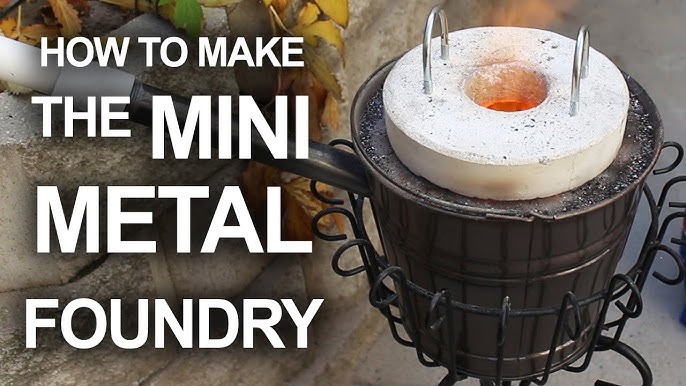
Exactly How Metal Spreading Forms the Future of Ingenious Item Design and Advancement
Metal casting is emerging as a critical force in the domain of product design and advancement. Its capability to produce complex geometries and light-weight structures offers designers brand-new avenues for innovation. Combined with developments in modern technology and an emphasis on sustainability, steel casting methods are progressing. This development raises questions concerning the future trajectory of design across sectors. What effects will these modifications have for both producers and consumers alike?
The Benefits of Steel Casting in Item Growth
While numerous manufacturing techniques exist, metal spreading sticks out for its unique advantages in product growth. This technique enables for the development of complex shapes and elaborate designs that may be impossible or difficult to attain with other procedures. The versatility of metal casting makes it possible for making use of numerous materials, consisting of light weight aluminum, iron, and bronze, supplying designers with a large range of options to satisfy specific needs. Additionally, metal spreading is affordable for both tiny and big manufacturing runs, as it decreases material waste and minimizes the demand for substantial machining.
The resilience and stamina of actors steels add to the long life of the last products, making them appropriate for demanding applications. The capability to generate huge elements in a solitary item reduces assembly time and improves structural honesty. In general, steel spreading acts as an essential method that sustains innovation and effectiveness in product advancement throughout countless fields
Cutting-edge Applications of Steel Casting in Various Industries
Steel spreading plays a significant role in numerous sectors, showcasing its cutting-edge applications beyond conventional manufacturing. In the automobile industry, for example, metal casting makes it possible for the production of lightweight yet resilient parts, boosting fuel effectiveness and performance. Aerospace sectors make use of innovative casting techniques to develop intricate parts that meet rigorous safety and security and weight demands, assisting in the advancement of innovative aircraft designs.
In the power market, metal casting is vital for manufacturing generator elements and structural components that hold up against extreme problems. The clinical area take advantage of customized spreadings for surgical tools and prosthetics, permitting for accurate customizing to individual person requirements. Additionally, the creative sector utilizes metal casting to create decorative products and intricate sculptures, merging technology with imagination. These varied applications show how metal casting not only supports standard production however additionally drives technology across different fields, paving the means for new products and options.
The Role of Sustainability in Steel Spreading Practices
As markets significantly focus on ecological responsibility, the combination of sustainability right into steel spreading techniques has ended up being essential. This shift is driven by the requirement to minimize waste, conserve energy, and restriction greenhouse gas exhausts. Many factories are embracing recycled products, using scrap steel to lower the demand for virgin sources. Additionally, advancements in energy efficiency are being executed, such as utilizing electrical heaters and enhancing heat recovery systems.
Water usage is one more prime focus, with methods aimed at reducing usage and making sure appropriate therapy of wastewater. The application of environmentally friendly binders and finishes is getting traction, minimizing dangerous discharges redirected here during the spreading process. By welcoming these sustainable techniques, the steel casting sector not only boosts its environmental footprint yet additionally satisfies the enhancing consumer demand for eco accountable items. This placement with sustainability principles placements metal spreading as a forward-thinking industry in the domain name of cutting-edge product style and development.
Advancements in Steel Spreading Innovation
The advancement of metal spreading technology is very closely connected to the industry's commitment to sustainability, cultivating developments that boost performance and product high quality. Current developments consist of the growth of advanced materials such as lightweight alloys, which boost strength-to-weight proportions while decreasing total product usage. Additionally, strategies like 3D printing and additive manufacturing have actually obtained grip, permitting a lot more intricate geometries and reduced waste during the production procedure.
Moreover, automation and robotics have streamlined casting procedures, decreasing human error and maximizing production speeds. Boosted simulation software also plays an essential role by predicting casting problems prior to they happen, therefore reducing rework and scrap rates. These technological improvements not only sustain lasting practices but also equip designers to explore new creative avenues, inevitably causing even more ecologically friendly and cutting-edge items. The recurring combination of these improvements proceeds to shape the landscape of metal casting, making it a critical component in item style and development.
Future Patterns in Product Design Driven by Steel Casting
While innovations in steel casting innovation pave the means for future patterns in product layout, developers are significantly using these innovations to develop extra reliable and sustainable products. The assimilation of 3D printing with steel casting makes it possible for my latest blog post the manufacturing of complex geometries that were formerly unattainable, allowing for light-weight yet long lasting designs. Furthermore, using recycled steels is acquiring grip, lining up with international sustainability goals and lowering the environmental influence of manufacturing.
Advancements in simulation and modeling software application enable developers to predict exactly how products will certainly act under different conditions, leading to enhanced layouts with reduced waste. Modification is additionally becoming a focal point, as metal spreading strategies permit individualized products without substantial price boosts. As these fads remain to evolve, the cooperation in between developers and steel spreading professionals will likely cultivate ingenious options that accommodate both capability and visual charm in future item layouts
Regularly Asked Questions
What Products Are Commonly Used in Metal Casting Processes?
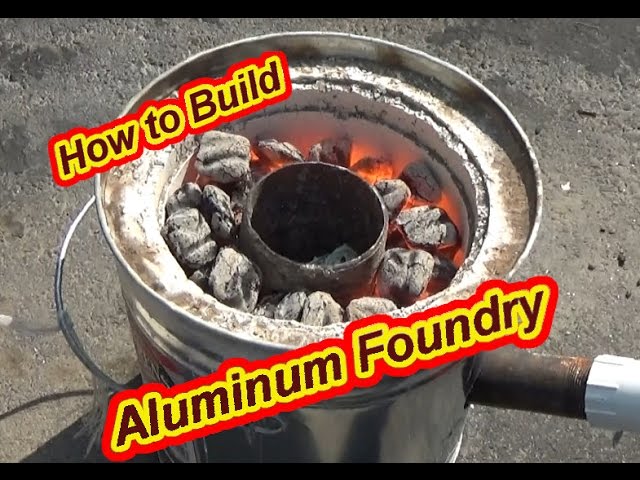
Just How Does Metal Casting Compare to 3D Printing in Item Design?
Metal casting offers durability and scalability, suitable for mass manufacturing, while 3D printing excels in quick prototyping and personalization. Each approach provides special advantages, influencing layout selections based on task requirements and preferred results.
What Industries Advantage The Majority Of From Metal Spreading Innovations?
Automotive, aerospace, and manufacturing industries benefit most from metal casting advancements. These markets leverage progressed metal spreading methods for generating intricate components, enhancing performance, reducing weight, and enhancing product properties, ultimately leading to more efficient manufacturing procedures.
How Do Steel Casting Methods Vary Throughout Different Cultures?
Metal casting techniques differ significantly across cultures, affected by regional products, customs, and technological developments. Eastern cultures commonly highlight intricate designs, while Western methods might focus on performance and mass production techniques.
What Safety Measures Are Essential Throughout Metal Spreading Operations?
Important precaution throughout metal spreading operations consist of Clicking Here proper air flow, individual safety devices, fire safety and security procedures, threat communication, and regular training. Aluminum Casting. These safety measures assist lessen dangers related to high temperature levels, toxic fumes, and prospective devices malfunctions